What does “antioxidant” really mean?
“A substance that protects cells from the damage caused by free radicals (unstable molecules made by the process of oxidation during normal metabolism). Free radicals may play a part in cancer, heart disease, stroke, and other diseases of aging.”
I, too, read that and said…. Okay so what is an antioxidant?
Here’s a broken down, step by step, you can’t miss it if you tried, if you still missed it go back and try again, explanation
· Your body naturally makes tiny unstable molecules called “free radicals”
· Too many free radicals= higher risk of cancer, heart disease and other signs of ageing
· Antioxidants act like a shield, protecting your cells from damage
· They’re found in vitamins (A, C, E) and in lots of whole foods
Free radicals naturally come about. So, while we can’t stop them from existing, we can consume (and apply) more antioxidants to neutralize them.
I don’t want to give you a list of products to shop (especially because I get absolutely no money from doing so) but I do want to give you some information on what to look for if your goal is antioxidant eating, drinking and skincare-ing

Ascorbic acid: Skincare’s Favorite
AKA Vitamin C
Found in citrus fruits, berries, kiwi, broccoli, sweet potatoes and tomatoes
Can be found in serums and creams

Tocopherol: The Skin Soother (don’t worry, I don’t know how to pronounce that either)
AKA Vitamin E
Found in almonds, oatmeal, beans, and leafy greens
Serums, creams and oral supplements often highlight their product’s vitamin E contents
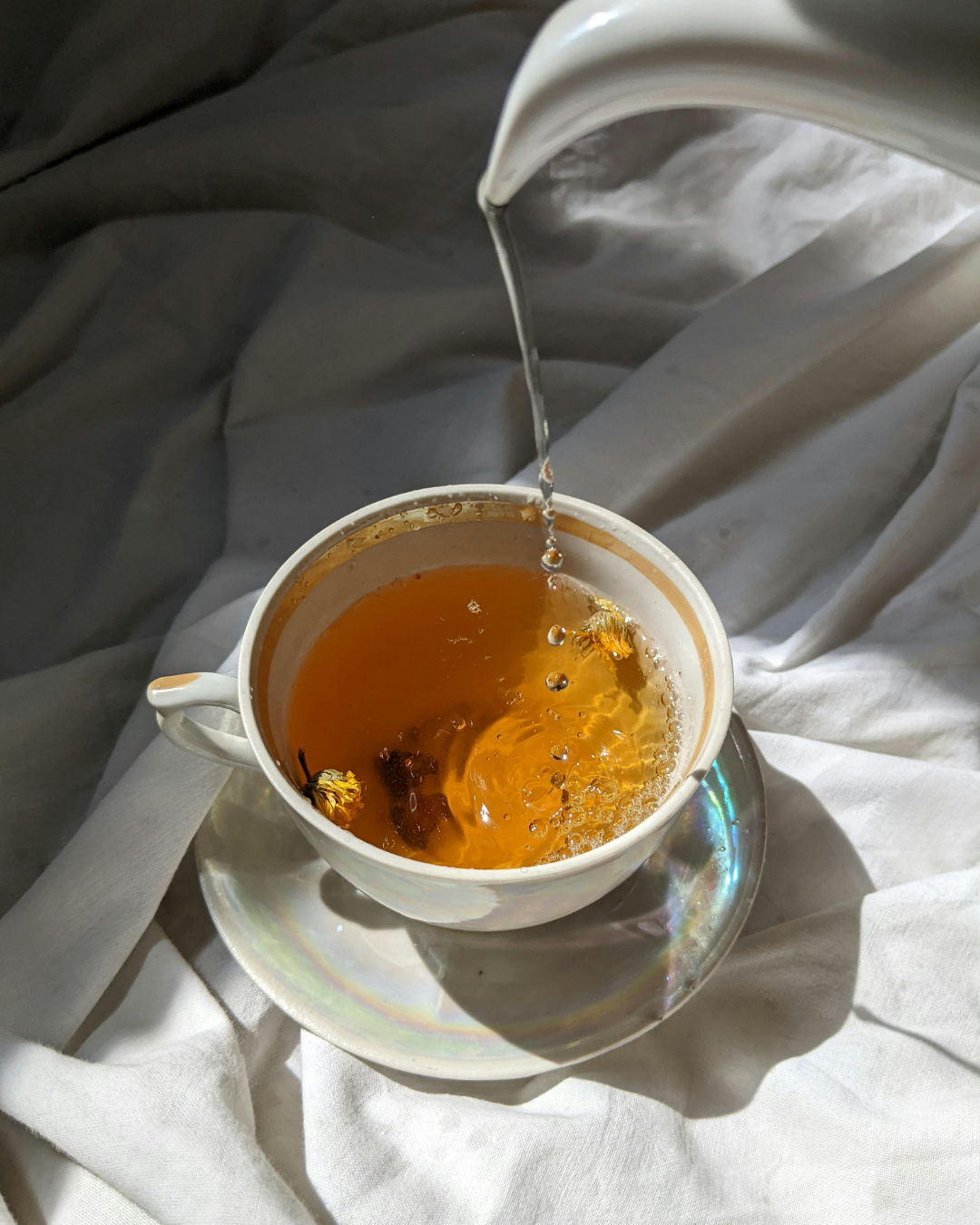
Drink Your Tea
Polyphenols: The Power of Tea
Did you know: All teas come from the same leaf. Of course, with the exception of herbal or fruit teas. The only difference in taste is the fermentation and oxidation process that’s why…..
· Green tea
· Black tea
· White tea
· Oolong tea
All have antioxidant properties.
Now-I’m a southern girl. I love sweet tea. I used to say, “I love my tea with my sugar”. And while we may indulge in a glass every now and then, antioxidant protection is not included in the McDonald’s tea with 30 grams of sugar <3
Extras: Other antioxidant ingredients to look for include Vitamin A and Niacinamide (a form of vitamin B3)
The Bottom Line:
Too many free radicals can overwhelm your body and drive it to a state called oxidative stress. Research has linked oxidative stress to many diseases and signs of ageing including:
· Cancer
· Arthritis
· Heart disease
· Alzheimer and Parkinson’s disease
· And wrinkles/sun spots
I already know that when I use this Vitamin C serum I am fighting wrinkles and dark spots on the outside. (I only link this product because I truly do like it).
I want to focus more on eating well so I can load up on antioxidants and strengthen the fight happening on the inside. The next time I eat a raspberry, I won’t just think, Good job, I’m eating fruit. I’ll be picturing the war raging within and knowing I’ve given my body even a tiny extra boost in its long battle in preventing arthritis.
Will you join the fight against free radicals in your life? :)
A little brief for a lot of living,
Kiara x
Go to the Source
Review of research about all this
